

Blog · Remodel planning
Planning a Remodel in Snohomish County: Permits, Timeline and Budget
Which remodel work needs a permit in Snohomish County, who issues electrical permits city by city, how long review takes, and budget tips for a kitchen or bath.
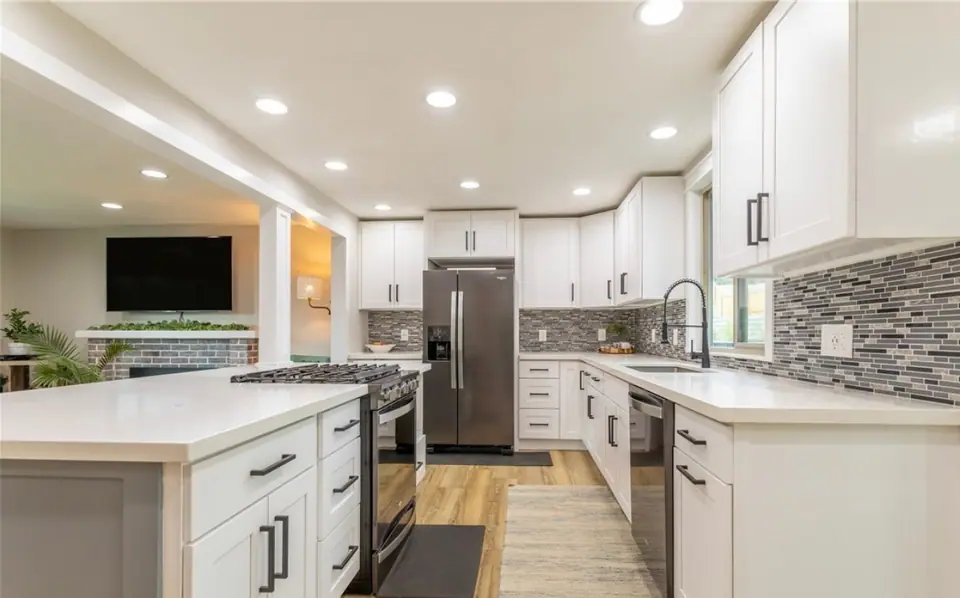
Most remodels stall in the same places: nobody checked which permits the work needs, a long-lead item got ordered late, or the budget had no room for what turned up behind a wall. Here's how to plan around all three if you live in Snohomish County, with notes for our King County neighbors.
Step 1: Find out who issues your permits
Your mailing address doesn't settle it. The City of Snohomish warns that many “Snohomish” addresses are actually in unincorporated Snohomish County. Inside city limits, your city's building department issues permits. In unincorporated areas, it's Snohomish County Planning and Development Services (PDS). King County works the same way: Redmond, Kirkland, Bellevue and Shoreline run their own permit counters, and unincorporated areas go through the county.
Look up your parcel on the county or city website before you plan anything else. The answer decides whose rules apply.
What usually doesn't need a building permit
For unincorporated Snohomish County, PDS Assistance Bulletin #74 lists work that's exempt from a building permit, including “painting, papering, tiling, carpeting, installation of cabinets or counter tops, and similar finish work.” The list also covers:
- Like-for-like replacement of plumbing fixtures
- Replacing siding
- Swapping windows when nothing structural changes
- Some reroofs
- Uncovered decks no more than 30 inches above grade
Two catches. Properties in a flood hazard area still need a flood-hazard permit. And the county's plumbing guidance (Bulletin #32) says “any work performed on the water supply or drainage systems requires a permit,” so confirm with PDS before you treat a fixture swap as exempt.
Cities can be stricter. The City of Snohomish puts it simply: “Other than finish work, such as carpet or paint, generally a building permit will be required.”
What usually does need one
Plan on permits, and on inspections during the job, when the remodel includes:
- Removing or moving walls, or any structural change
- New or enlarged window and door openings
- Moving plumbing, or adding fixtures
- New circuits or other electrical work
- Heating, ventilation or gas line changes
- Additions, and decks higher than 30 inches
Electrical permits come from L&I in most of the area
Washington L&I issues electrical permits everywhere except the cities that run their own program. L&I's list is the source of truth. As of November 2026:
| Electrical permits issued by | Cities in our service area |
|---|---|
| The city | Bellevue, Kirkland, Lynnwood, Marysville, Mountlake Terrace, Redmond |
| L&I | Snohomish, Lake Stevens, Mill Creek, Edmonds, Brier, Arlington, Shoreline and unincorporated Snohomish County |
How long permits take
Nobody publishes a single number for residential review, and you shouldn't plan around one. Snohomish County posts current review times on its permitting reports dashboard, and the City of Snohomish says times vary with the plan reviewer's workload. Two useful details from the city: plumbing and mechanical fixture-replacement permits can be issued as soon as fees are paid, and a permit is good for 24 months.
A realistic remodel sequence
- Walkthrough. Look at the space together and agree on what has to change.
- Plan, selections and quote. Layout, cabinets, tile, fixtures and a clear price, before anything is torn out.
- Permits. Submit early, since review time is the part nobody controls.
- Order long-lead items. Cabinets, windows and special-order tile can take weeks, so order them once choices are final.
- Demo and rough-in, then inspections. Framing, plumbing and electrical get inspected before walls close.
- Finishes. Drywall, tile, cabinets, counters, trim and paint.
- Final inspection and walkthrough. Close out the permit, then walk the room and fix anything that isn't right.
Budget tips that actually help
- Choose finishes before work starts. Mid-job changes are the most common reason budgets and schedules slip.
- Hold back a contingency. Older homes often hide old wiring, rot or plumbing behind the walls. Money set aside for that keeps a surprise from stopping the job.
- Price the whole job. Permits, disposal, temporary kitchen setup and paint touch-ups belong in the number.
- Plan how you'll live through it. For a kitchen remodel, set up a temporary kitchen somewhere else in the house.
Where Paragon fits
We're a family-owned general contractor based in Snohomish (WA contractor reg. #PARAGSG746M7). We walk the space with you, sort out which permits the work needs and who issues them, and give you a clear plan and quote before anything starts. See real Paragon kitchens and baths, read about our remodeling work, or call (425) 491-0637.
This guide is general information, not legal advice. Rules change and can differ by city, so check with the permitting agency for your address before you start.